What Are AIS Monitoring Capabilities in Marine Navigation?
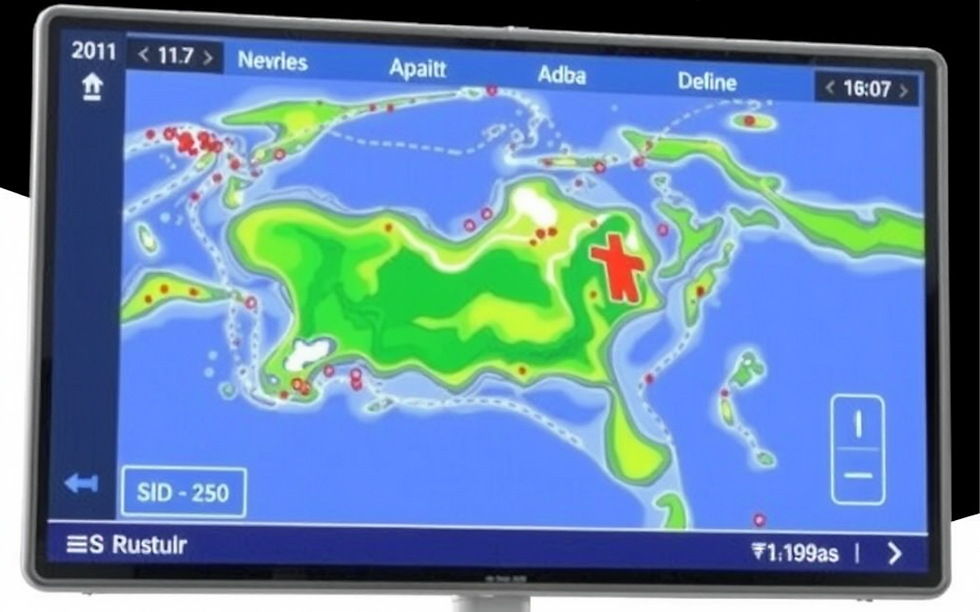
Marine navigation has transformed a lot in recent years. Ships now use smart systems to stay safe and avoid accidents. One of the most important tools is the Automatic Identification System (AIS). AIS helps track ships in real time. But today, it does much more than only show locations.
This is where AIS Monitoring Capabilities come in. AIS monitoring gives better control, visibility, and safety for vessels, ports, and coastal areas. It helps ship operators, coast guards, and port authorities make quick and smart decisions. In this guide, we will explain what AIS monitoring capabilities are, how they work, and why they are important for modern marine navigation.
What is AIS (Automatic Identification System)?
AIS is a tracking system used on ships. It sends and receives data using radio signals. Each vessel with AIS shares information like:
Ship name
Position (GPS location)
Speed and direction
Vessel type
There are two main types of AIS:
Class A AIS – Used on large commercial ships
Class B AIS – Used on smaller vessels
AIS also includes base stations placed on shore. These stations collect and manage vessel data. AIS works using VHF radio signals and satellites. This allows ships to “see” each other, even in bad weather or low visibility.
What Are AIS Monitoring Capabilities?
AIS Monitoring Capabilities go beyond basic tracking. They collect, analyze, and display vessel data in real time.
In simple words, AIS monitoring is the system that helps users:
Track ships live
Analyze movement patterns
Detect risks
Manage marine traffic
It turns raw AIS data into useful information. Organizations that use AIS monitoring include:
Vessel Traffic Services (VTS)
Port authorities
Coast guards
Offshore operators
This makes navigation safer and more efficient.
Key Features of AIS Monitoring Systems
Real-Time Vessel Tracking
AIS monitoring shows the exact location of ships at any time. Operators can see live movements on a screen. This helps avoid confusion and improves navigation decisions.
Collision Avoidance Alerts
AIS systems can warn operators about possible collisions.
They analyze vessel speed and direction. If two ships are too close, alerts are sent early. This prevents accidents at sea.
Geofencing and Zone Monitoring
AIS monitoring allows users to set virtual boundaries.
These zones can include:
Ports
Restricted areas
Offshore zones
If a vessel enters or leaves a zone, the system sends alerts.
Data Logging and Playback
AIS systems store past data. Users can review vessel movements later. This is useful for:
Accident investigations
Compliance checks
Performance analysis
Integration with Marine Equipment
Modern AIS systems can connect with other navigation tools like:
Marine signal lanterns
LED navigation lights
Programmable flashers
Buoy lighting systems
This integration creates a complete navigation safety system.
Importance of AIS Monitoring in Marine Navigation
AIS Monitoring Capabilities play a big role in improving marine safety.
Better Maritime Safety
Real-time tracking reduces the risk of collisions. Ships can avoid dangerous situations early.
Improved Traffic Management
Ports and coastal authorities can manage vessel traffic smoothly. This reduces delays and congestion.
Support for Search and Rescue
AIS helps locate ships fast during emergencies. Rescue teams can respond faster and save lives.
Regulatory Compliance
Many countries need AIS systems on vessels. Monitoring ensures ships follow these rules.
AIS Monitoring for Coastal and Offshore Applications
AIS monitoring is used in many areas, including:
Ports and Harbors
Helps control ship entry and exit. Reduces waiting time and improves efficiency.
Offshore Platforms
Supports safe operations around oil rigs and offshore wind farms.
Buoys and Beacons
Tracks navigation aids and ensures they are working well.
Inland Waterways
Improves safety in rivers and canals with heavy traffic.
Role of AIS in Aids to Navigation (AtoN)
AIS is now used in modern Aids to Navigation (AtoN) systems.
There are two types:
Physical AIS AtoN
These are real devices placed on buoys or lighthouses. They send AIS signals to nearby ships.
Virtual AIS AtoN
These are digital markers shown on navigation systems. No physical device is needed.
AIS AtoN works well with:
Marine lanterns
Buoy lighting systems
Lighthouse equipment
This helps create a smarter and more connected navigation system.
AIS Monitoring and USCG Compliance
In the United States, AIS is regulated by the U.S. Coast Guard (USCG).
Many vessels must have AIS systems installed. These systems must meet strict standards.
Using USCG-approved marine navigation equipment ensures:
Legal compliance
Reliable performance
Improved safety
For companies working in U.S. waters, using high-quality and approved equipment is very important.
Benefits of Advanced AIS Monitoring Capabilities
Advanced AIS systems provide many advantages:
Better awareness of vessel surroundings
Reduced human error in navigation
Efficient fleet management
Faster decision-making
Improved communication between vessels
These benefits help shipping companies save time and reduce risks.
Challenges in AIS Monitoring Systems
Even though AIS is powerful, it has some challenges:
Signal Interference
Weather or obstacles can affect signals.
Data Overload
Large amounts of data can be hard to manage without proper systems.
Cybersecurity Risks
AIS systems can be targeted by hackers if not protected.
Equipment Limitations
Old or low-quality equipment may not perform well.
Future of AIS Monitoring in Marine Navigation
AIS technology is growing fast. New trends include:
Artificial Intelligence (AI)
AI can predict vessel movements and detect risks earlier.
Satellite AIS
Satellites improve coverage in remote ocean areas.
IoT Integration
AIS can connect with smart marine devices for better automation.
Autonomous Vessels
Future ships may use AIS for automated navigation.
Choosing the Right AIS Monitoring Solution
When selecting AIS Monitoring Capabilities, consider:
Accuracy of data
Reliability in harsh conditions
Integration with lighting and signaling systems
Compliance with U.S. regulations
High-quality marine lighting and signaling equipment also play a key role in supporting AIS systems.
Conclusion
AIS monitoring capabilities are a key part of modern marine navigation. They help track vessels, prevent collisions, and improve safety at sea.
From ports to offshore platforms, AIS systems provide real-time data and smart insights. They support better decisions and smoother operations.
As technology continues to grow, AIS monitoring will become even more advanced. Investing in reliable, high-quality systems is the best way to ensure safety and compliance in today’s maritime industry.


Comments